From Independent to Assisted Living: How to Discover the Right Level of Elderly Care
Business Name: BeeHive Homes of Taylorsville
Address: 164 Industrial Dr, Taylorsville, KY 40071
Phone: (502) 416-0110
BeeHive Homes of Taylorsville
BeeHive Homes of Taylorsville, nestled in the picturesque Kentucky farmlands southeast of Louisville, is a warm and welcoming assisted living community where seniors thrive. We offer personalized care tailored to each resident’s needs, assisting with daily activities like bathing, dressing, medication management, and meal preparation. Our compassionate caregivers are available 24/7, ensuring a safe, comfortable, and home-like setting. At BeeHive, we foster a sense of community while honoring independence and dignity, with engaging activities and individual attention that make every day feel like home.
164 Industrial Dr, Taylorsville, KY 40071
Business Hours
Families hardly ever sit down one day and state, "It is time for assisted living." What in fact occurs is slower and more confusing. A missed out on medication here, a small kitchen fire there, a couple of worrying falls that "weren't a big deal." Adult children begin comparing notes after vacations. A spouse silently compensates until exhaustion sets in.
Choosing the right level of elderly care is less about labels and more about sincere, in-depth observation of life. Terms like independent living, assisted living, respite care, and experienced nursing can sound cool on a pamphlet, but genuine people never ever fit perfectly into cool boxes. That is where judgment, persistence, and excellent concerns matter.
I have actually sat in living spaces with adult children who made sure they were "just looking" at options and six weeks later remained in crisis mode because of a severe fall. I have actually also met lots of older adults who grew for years longer than anybody expected due to the fact that the household chose the least restrictive level of senior care that still kept them safe. The art remains in finding that balance.
This guide strolls through how to consider levels of care, what to watch for at home, and how to move from independent to assisted living in such a way that respects both safety and dignity.
How levels of elderly care fit together
Before entering evaluations and warning signs, it helps to see the huge picture. Elderly care in a lot of communities falls along a continuum, from minimal support to extensive medical care.
A quick picture of typical care levels:
- Independent living: Personal apartment or condos or cottages with optional services like meals, housekeeping, and social activities, however no hands-on care.
- Assisted living: Housing plus assist with day-to-day activities such as bathing, dressing, and medications. Personnel on site 24/7, however restricted medical care.
- Memory care: A secure environment with staff trained for dementia and Alzheimer's, often part of an assisted living or skilled nursing campus.
- Skilled nursing (nursing home): The highest level of continuous medical and individual care outside a healthcare facility, with nurses offered around the clock.
Respite care can exist at several of these levels. It simply indicates short-term care, often utilized to provide a household caregiver a break, or to recover after a hospital stay before returning home.
Real lives frequently move back and forth on this continuum. A person might live separately, break a hip, invest short-term rehab in a skilled nursing facility, then move into assisted living, and sometimes use respite care after a disease. Thinking in regards to flexibility, not one decision, makes the process less overwhelming.
Start with the day, not the diagnosis
Families typically frame the question around medical conditions. "My father has diabetes and moderate cardiovascular disease, so he must need X." That approach can mislead you. 2 individuals with the very same medical diagnosis may work at very different levels.
Instead of beginning with the medical chart, start with the common day. If you shadowed your parent or spouse for 24 hours, where would you see risk, stress, or confusion?
Good senior care decisions come from really comprehensive, really useful questions. For instance:
Does the individual remember to take medications on time without reminders?
When they shower, can they safely get in and out, clean completely, and dry off without losing balance? If the smoke alarm went off at 2 a.m., would they understand what to do and have the ability to do it? Can they handle their own mail, costs, and standard money decisions without someone capturing errors?These kinds of concerns inform you more about the ideal level of care than a medical diagnosis alone. A person with multiple health conditions may still live quite individually with a little help, while someone with early dementia may require supervised support much earlier than the household expects.
A basic structure for assessing needs
Professionals typically discuss ADLs and IADLs. These medical acronyms really describe the foundation of everyday life.
Activities of daily living (ADLs) consist of bathing, dressing, grooming, toileting, consuming, and movement or transferring (for instance, getting in and out of a chair or bed). When somebody starts to need hands-on help with several ADLs, assisted living or at home assistants usually enter the picture.
Instrumental activities of daily living (IADLs) are the complex tasks that keep a home and life running. Cooking, cleansing, doing laundry, managing medications, shopping, using transportation, and handling financial resources fall under this group. Has a hard time here are frequently the first visible signs that an older adult is not totally independent anymore.
I encourage households to think in 3 layers:
First, what is the individual doing securely and dependably by themselves, every day, without tips or supervision?
Second, what are they senior care technically doing alone however only because somebody is compensating behind the scenes, such as pre-filling tablet boxes, dealing with all the driving, or quietly paying the bills?
Third, what are they not doing at all, or plainly performing in a risky method: skipping showers for fear of falling, leaving burners on, or losing track of time outside the house?
Once you have that image, you can match it to the environment most suited to those requirements, rather than starting from what is readily available in your area and trying to require a fit.
When independent living still works
Independent living is designed for older grownups who are generally self-sufficient however desire neighborhood, convenience, or a "soft landing" from home upkeep. Consider it as apartment living for senior citizens, with security features and services nearby.
For the ideal person, independent living can delay and even avoid a move to assisted living. I have seen people bloom when they no longer needed to worry about cooking for one or shoveling snow, which extra energy equated into better health habits.
Independent living is frequently an excellent fit when:
The person handles their own medications precisely, or only requires light support such as a weekly pillbox setup.

The threat with independent living is presuming that personnel will "watch on things." Numerous independent living neighborhoods are lawfully restricted in what they can do in regards to hands-on care. If your relative starts avoiding meals, gets lost in the corridors, or stops participating in activities, the neighborhood may alert you, however they will not instantly action in the way an assisted living team would.
Families should have a clear, early contract with the resident and the neighborhood about triggers for reassessment. For instance, two or more falls in 3 months, obvious weight loss, or constant missed medications might trigger a formal evaluation for assisted living.
What assisted living in fact supplies (and what it does not)
Assisted living often beings in the gray area in between independent living and nursing home care. It is likewise where I see the most confusion and mismatched expectations.
In a well run assisted living community, homeowners still have a substantial degree of autonomy. They lock their own doors, furnish their own apartments, and choose how to invest most of their day. The key difference is that personnel assist with ADLs and supervise health associated routines.
Typical services include aid with bathing and dressing, suggestions or administration of medications, escorts to meals if walking is challenging, and monitoring of basic health indications such as weight, hunger, and behavior changes.
Families sometimes overstate the medical element. Assisted living is not a replacement for a nursing home in complicated medical scenarios. Staff might handle easy wound care, screen blood pressure, or help an individual with diabetes, but they are not equipped for ventilators, advanced pressure ulcers, or unpredictable medical crises that require continuous nursing oversight.
The sweet area for assisted living normally appears like this:
The individual requires hands-on help with one or more ADLs. Possibly they can no longer shower safely alone, or they struggle with handling multiple medications accurately.
Cognitive changes exist but not so severe that the person wanders often or becomes a clear threat to others. Chronic health conditions are mainly steady under physician guidance, with foreseeable routines that trained caretakers can assist bring out.The individual take advantage of integrated in social contact and structure, such as dining with others and participating in planned activities.
When relative are stressing out from "drive by" caregiving numerous times a day, assisted living typically restores balance. Instead of juggling medication suggestions, incontinence care, and night time calls, relatives can step back into a more relational role and let the community deal with the physical care routines.
Memory care and cognitive safety
Cognitive decrease alters the formula in subtle ways. An individual might still walk well and deal with fundamental self care, yet be unsafe at home because of bad judgment, disorientation, or unpredictable behavior.
Common indications that memory care, or a minimum of structured supervised living, ought to be on the table consist of:
Leaving home and getting lost in familiar neighborhoods.
Ending up being suspicious or paranoid about caregivers or neighbors. Risky usage of appliances, such as putting metal in the microwave or forgetting food on the stove. Sundowning, with agitation or confusion magnifying in the late afternoon and evening.Memory care systems inside assisted living or nursing homes are typically protected and have staff trained specifically in dementia care. Activities are customized to much shorter attention periods. Visual cues and basic designs assist locals browse. The objective is not just security, but also conservation of remaining skills and reduction of distressing behaviors.
It can be tough for households to accept the need for a locked system. Lots of feel it is "too limiting." The concern I ask is whether the current setting enables the person to be as safe and calm as possible. If a partner invests every night chasing their partner down the street because they strayed in pajamas, a secured environment can in fact restore more self-respect to both people.
Skilled nursing and when it becomes necessary
Skilled nursing centers, typically called nursing homes, are the most extensive form of senior care in a non hospital setting. People often fear this level, viewing it as a last option. Yet for some, it is just the suitable action to intricate medical and individual care needs.
Skilled nursing makes sense when:
There are frequent or unpredictable medical issues that require close monitoring by nurses, such as complex injury care, IV medications, or oxygen that can not be securely managed in assisted living.
The individual is fully or primarily reliant for transfers, toileting, and feeding, particularly if they are heavy or not able to assist caretakers, which increases the risk of injury to household or assisted living staff. There are severe swallowing problems, frequent goal pneumonia, or the need for feeding tubes. Behavioral symptoms of dementia threaten and can not be handled securely in a lower acuity setting.A useful psychological filter is this: if you would not feel comfy leaving this individual for eight hours in the care of a recently trained caretaker without direct nurse supervision, knowledgeable nursing may be more appropriate than assisted living.
Where respite care fits into the picture
Respite care typically does not get sufficient attention, yet it is among the most valuable tools in senior care planning. It merely suggests short term, temporary care that gives the primary caregiver a break.
Respite can occur in a number of settings:
A couple of days or weeks in an assisted living community, using a provided house and temporary care plan.
Short-term admission to a proficient nursing center for rehab or healing after disease, frequently with Medicare or other insurance coverage coverage. In home assistants who come for a set variety of hours each week so a partner or adult child can rest or deal with other responsibilities.Using respite care early typically assists families postpone long-term placement. A partner who knows they will get a complete week of rest every couple of months is generally more able to sustain caregiving at home the rest of the time. It likewise provides both caregiver and care recipient a chance to "evaluate drive" a neighborhood setting without committing to a full move.
I have seen many effective shifts where the first experience with assisted living was actually a respite stay. Familiar faces, regimens, and a recognized building made the eventual irreversible move feel less like a disruption and more like going back to a known safe place.
Balancing security, self-reliance, and identity
Every decision about moving from independent to assisted living, or beyond, rests on a 3 legged stool: security, independence, and identity. If you focus specifically on safety, you run the risk of stripping away autonomy and creating animosity. If you focus just on self-reliance, you may disregard risks that can result in devastating outcomes.
The technique is to ask, "What is the least restrictive environment that still keeps this individual fairly safe?" That phrase, fairly safe, is important. No setting can remove all threat, and attempting to do so typically causes overprotection that deteriorates quality of life.
Respecting identity implies taking notice of what offers the individual a sense of self. A retired engineer may feel at home in a community with woodworking or tinkering spaces. A person of strong faith might focus on a place with regular spiritual services. Somebody who has constantly cherished personal privacy might choose a smaller assisted living over a large school with busy typical areas.
I typically suggest families include the older adult in visits to several communities, even if cognitive decrease is present, and see their reactions. Do they illuminate throughout a music program? Do they seem overwhelmed by noise? Do they stick around by the garden or the library? These small ideas assist match character to environment, not simply care needs to services.
Money, timing, and what families want they had known earlier
Financial realities shape options. Assisted living costs can range extensively depending upon place, from modest regular monthly charges in some areas to luxury-level rates in others. Experienced nursing is usually more expensive, however may have more coverage alternatives through Medicare or long term care insurance, especially for post acute stays.
A couple of patterns show up consistently in family discussions:
People typically ignore how long they will require assistance. Preparation as if care will last at least 3 to 5 years, and potentially longer, produces more reasonable budgeting.
Adult kids sometimes assume their parent will "never move" or "decline care," just to find that truthful, early discussions lower resistance. Many families wait for a crisis before checking out neighborhoods. Touring when you are not in crisis permits you to compare options in a calmer method, without a medical facility discharge organizer urging an exact same day decision.If you can, talk with a credible elder law lawyer or monetary organizer who understands senior care. Comprehending what assets are secured, how Medicaid rules work in your state, and whether any long term care policies use takes a few of the worry out of choice making.
Talking about the transition without breaking trust
The emotional side of moving from independent to assisted living is typically harder than the logistics. Losing a home, or perhaps simply acknowledging that aid is needed, can feel like a loss of control.
A couple of principles assist those conversations go better:
Start early, when the move is still hypothetical. It is simpler to discuss "at some point, if you ever require more help" than "you need to move next month." Early talks create a shared language for later decisions.
Explain your observations, not verdicts. "I have actually seen 3 falls this year, and I am stressed over you being alone in the evening" opens area for discussion. "You can not live alone anymore" corners the other person. Deal choices where you can. Even if remaining totally independent is no longer safe, you may be able to offer choices in between 2 neighborhoods, or in between a studio and a one bedroom, or between moving in spring or fall. Well framed choices maintain agency. Be honest about your own limits. Spouses and adult kids frequently assure "I will never ever put you in a home" due to the fact that it feels loving. When truth makes that pledge impossible to keep, regret and bitterness thrive. It is more sincere and kinder to say, "I will always make sure you are taken care of, even if eventually I can refrain from doing all the care myself."I have rarely seen a family remorse being truthful about burnout. I have frequently seen caregivers end up in the healthcare facility because they waited too long to seek more structured support.
What to search for when you tour senior care communities
Once you have a sense of the best level of elderly care, the concern becomes which particular community or firm to choose. Sales brochures and websites are developed to look remarkable. The genuine story depends on the information you notice throughout a visit.
Consider these concerns when you tour:
- How do staff speak to locals: by name, at eye level, and with patience, or as jobs to be completed?
- Do typical areas look utilized and comfy, or staged and empty?
- Are there citizens with requirements comparable to your relative, and do they appear engaged and reasonably content?
- What is the personnel turnover rate, particularly among aides and nurses, over the last year?
- How does the community deal with modifications in condition, such as more regular falls or brand-new habits related to dementia?
If possible, visit unannounced throughout a meal time. View how long homeowners await help. Listen to the tone in the dining-room. Smell matters too; occasional smells in health care settings are unavoidable, however strong, persistent gives off urine or cleansing chemicals mean persistent issues.
Ask to see an example care prepare for an imaginary resident with requirements comparable to your loved one. The level of detail, and how individualized it appears, will tell you a lot about their approach to elderly care.
Using respite and steady steps to ease the move
For lots of older adults, the initial step away from living entirely separately does not need to be an irreversible move. A home care assistant a few times a week, adult day programs, or short respite stays can create a bridge.
For example, a widowed gentleman who has stopped cooking might start with everyday provided meals and a weekly housekeeping service. When movement declines, he might include an early morning caretaker to aid with bathing and dressing, while staying in his home. At some time, when nighttime roaming starts, a respite stay in assisted living can let everybody test whether that environment feels right, before any long term commitment.
These progressive actions minimize the feeling of being "sent out away." They likewise provide families a chance to adjust their expectations. It is common for relatives to think of that assisted living will immediately fix all issues, from isolation to chronic pain. In reality, it is one tool amongst many. Discomfort requires medical attention, sorrow requires time and possibly counseling, and isolation frequently needs active support to participate in community life.
When a move does occur, attempt to bring components of home: familiar images, a preferred chair, a quilt, or a favorite mug. These small anchors soften the shock and signal that the individual is more than a room number in a senior care facility.
When you are still unsure
Even with careful assessments and neighborhood visits, there are constantly gray areas. A person might be borderline in between independent and assisted living, or between assisted living and experienced nursing. In those circumstances, it helps to ask yourself 3 questions.
If absolutely nothing changed and we not did anything for the next 6 months, what is the most likely outcome?
If we are wrong and choose a lower level of care than needed, what are the biggest threats, and are we going to accept them? If we are wrong and select a higher level of care than needed, what would the individual lose in regards to self-reliance and identity, and can we reduce those losses?There is rarely a best, risk complimentary option. But clear considering trade offs causes decisions that the majority of families can deal with, even if the roadway is bumpy.
The move from independent to assisted living, or to any brand-new level of care, is ultimately about maintaining as much life as possible inside changing limits. When you focus on concrete day-to-day realities, regard the individual's identity, and use respite care and other supports sensibly, you can navigate that transition with more self-confidence, and with less regret.
BeeHive Homes of Taylorsville provides assisted living care
BeeHive Homes of Taylorsville provides memory care services
BeeHive Homes of Taylorsville provides respite care services
BeeHive Homes of Taylorsville supports assistance with bathing and grooming
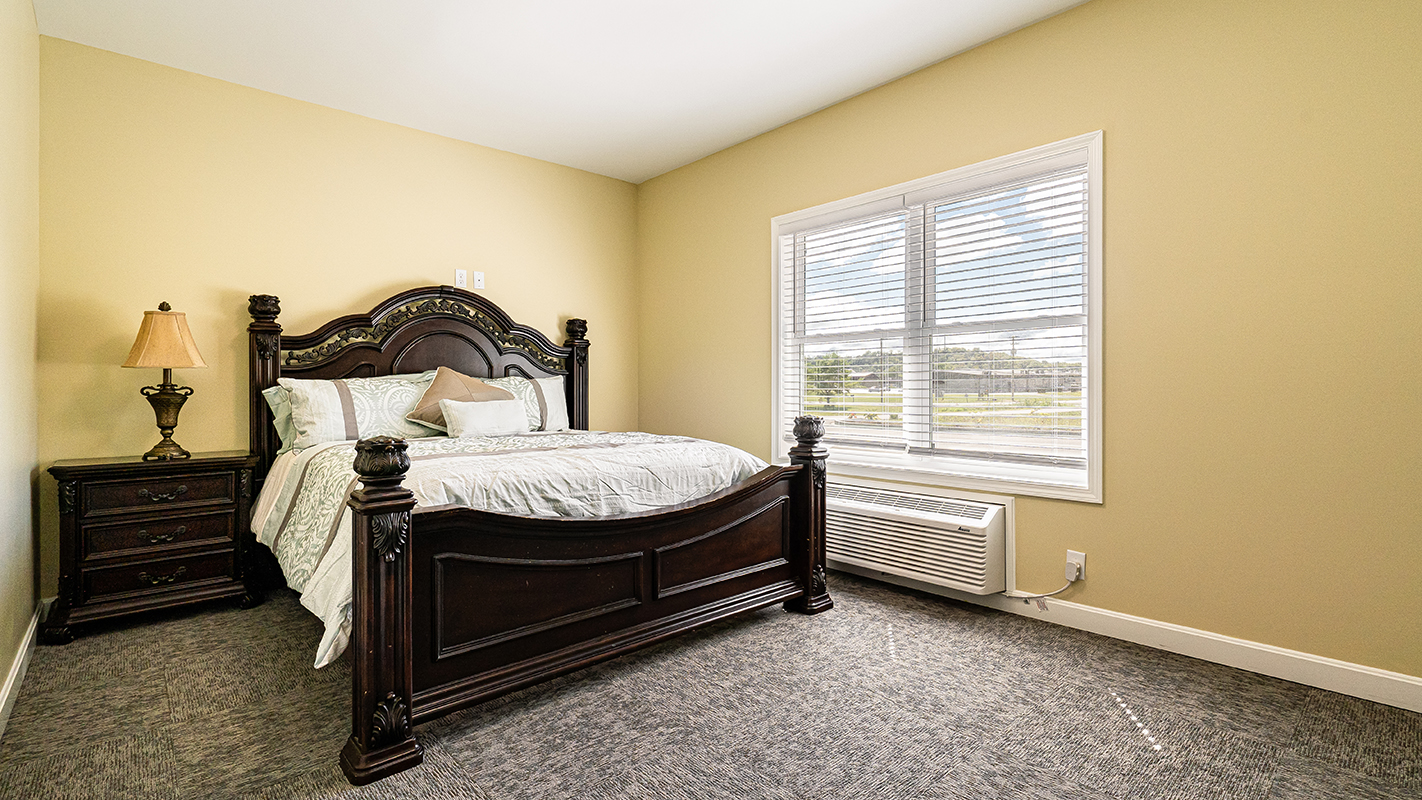
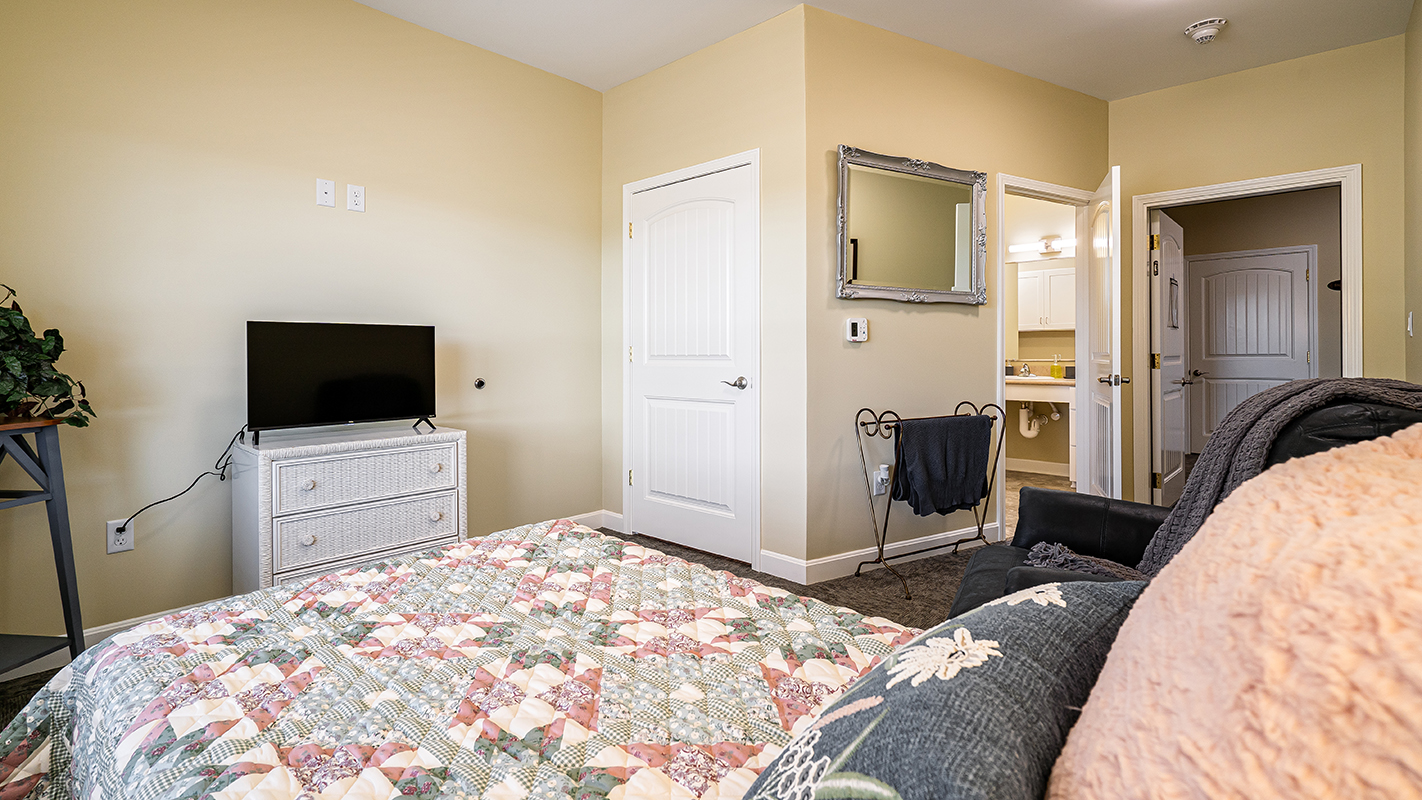
BeeHive Homes of Taylorsville offers private bedrooms with private bathrooms
BeeHive Homes of Taylorsville provides medication monitoring and documentation
BeeHive Homes of Taylorsville serves dietitian-approved meals
BeeHive Homes of Taylorsville provides housekeeping services
BeeHive Homes of Taylorsville provides laundry services
BeeHive Homes of Taylorsville offers community dining and social engagement activities
BeeHive Homes of Taylorsville features life enrichment activities
BeeHive Homes of Taylorsville supports personal care assistance during meals and daily routines
BeeHive Homes of Taylorsville promotes frequent physical and mental exercise opportunities
BeeHive Homes of Taylorsville provides a home-like residential environment
BeeHive Homes of Taylorsville creates customized care plans as residents’ needs change
BeeHive Homes of Taylorsville assesses individual resident care needs
BeeHive Homes of Taylorsville accepts private pay and long-term care insurance
BeeHive Homes of Taylorsville assists qualified veterans with Aid and Attendance benefits
BeeHive Homes of Taylorsville encourages meaningful resident-to-staff relationships
BeeHive Homes of Taylorsville delivers compassionate, attentive senior care focused on dignity and comfort
BeeHive Homes of Taylorsville has a phone number of (502) 416-0110
BeeHive Homes of Taylorsville has an address of 164 Industrial Dr, Taylorsville, KY 40071
BeeHive Homes of Taylorsville has a website https://beehivehomes.com/locations/taylorsville
BeeHive Homes of Taylorsville has Google Maps listing https://maps.app.goo.gl/cVPc5intnXgrmjJU8
BeeHive Homes of Taylorsville has Facebook page https://www.facebook.com/BHTaylorsville
BeeHive Homes of Taylorsville has an Instagram page https://www.instagram.com/beehivehomesoftaylorsville/
BeeHive Homes of Taylorsville won Top Assisted Living Homes 2025
BeeHive Homes of Taylorsville earned Best Customer Service Award 2024
BeeHive Homes of Taylorsville placed 1st for Senior Living Communities 2025
People Also Ask about BeeHive Homes of Taylorsville
What is BeeHive Homes of Taylorsville Living monthly room rate?
The rate depends on the bedroom size selection. The studio bedroom monthly rate starts at $4,350. The one bedroom apartment monthly rate if $5,200. If you or your loved one have a significant other you would like to share your space with, there is an additional $2,000 per month. There is a one time community fee of $1,500 that covers all the expenses to renovate a studio or suite when someone leaves our home. This fee is non-refundable once the resident moves in, and there are no additional costs or fees. We also offer short-term respite care at a cost of $150 per day
Can residents stay in BeeHive Homes until the end of their life?
Usually yes. There are exceptions, such as when there are safety issues with the resident, or they need 24 hour skilled nursing services
Do we have a nurse on staff?
No, but we do have physician's who can come to the home and act as one's primary care doctor. They are then available by phone 24/7 should an urgent medical need arise
What are BeeHive Homes’ visiting hours?
Visiting hours are adjusted to accommodate the families and the resident’s needs… just not too early or too late
Do we have couple’s rooms available?
Yes, each home has rooms designed to accommodate couples. Please ask about the availability of these rooms
Where is BeeHive Homes of Taylorsville located?
BeeHive Homes of Taylorsville is conveniently located at 164 Industrial Dr, Taylorsville, KY 40071. You can easily find directions on Google Maps or call at (502) 416-0110 Monday through Sunday Open 24 hours
How can I contact BeeHive Homes of Taylorsville?
You can contact BeeHive Homes of Taylorsville by phone at: (502) 416-0110, visit their website at https://beehivehomes.com/locations/taylorsville,or connect on social media via Facebook or Instagram
Visiting the Taylorsville Lake Marina offers educational displays and views that make for a light cultural stop during assisted living, senior care, and respite care visits.